
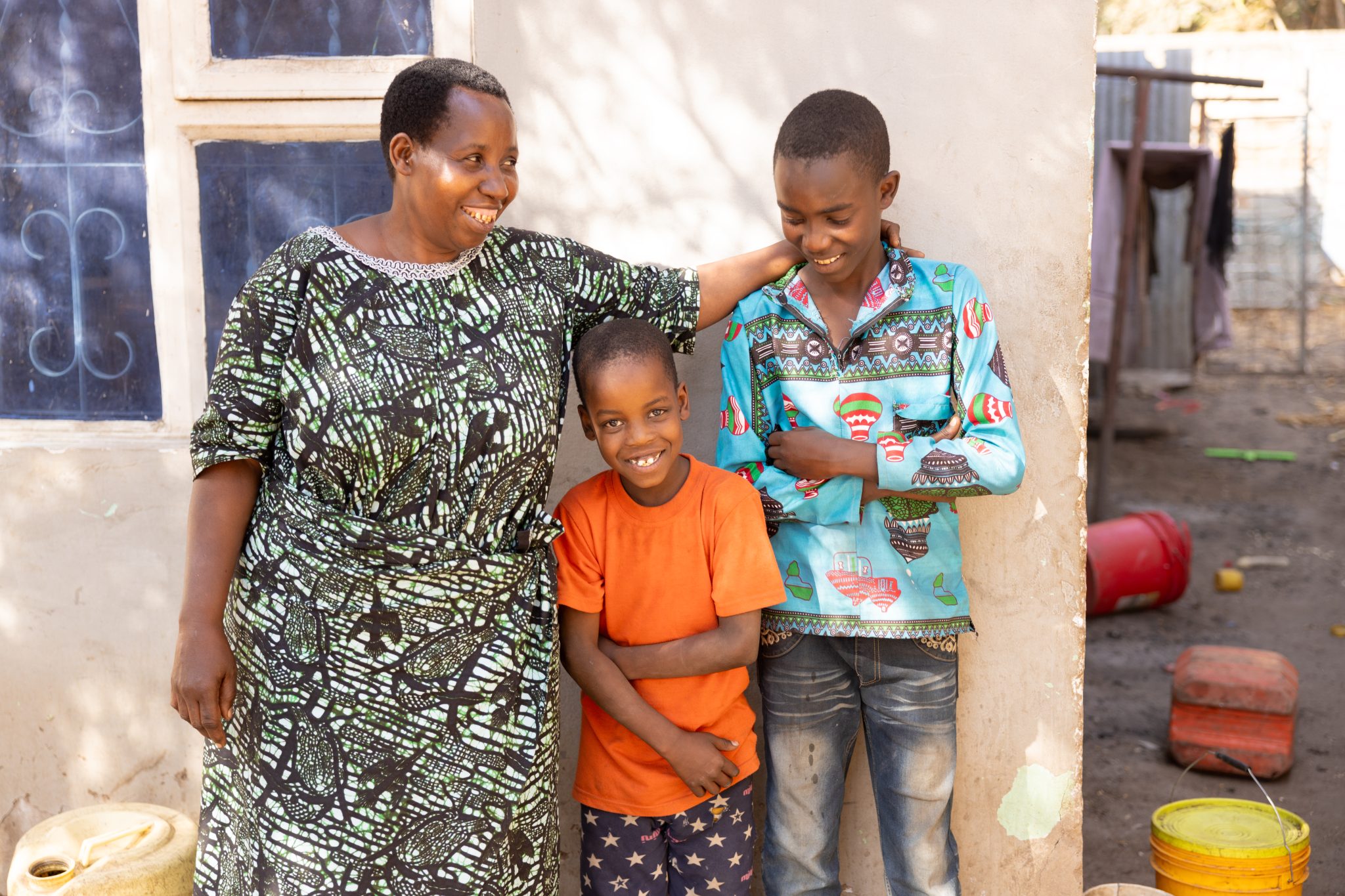
How HOPE impacts children living in poverty
Children are among the most vulnerable members of any society—but in communities where poverty is present, the stakes are higher. Children are two times more likely than adults to live in extreme poverty. And when kids lack basic needs like food and shelter, it hurts their chances to stay healthy, learn at school, and someday live the lives they dream of (UNICEF). As of 2024, 412 million children are living on less than $3 per day (World Bank).
Yet we know that God cares deeply about kids. The question is, how do we protect them from the impacts of poverty and equip them with what they need to lead healthy, flourishing lives?
At HOPE International, we believe one of the best ways to care for children living in poverty is to empower their parents. Here’s why investing in mothers and fathers unlocks transformation for their children and future generations.
Better meet basic needs
As parents access financial services, they start small businesses or build savings accounts, using income and savings to increase household assets or build a buffer against emergencies. With stabilized finances, parents can more consistently provide for their family’s basic needs—nutritious meals, medication, home improvements, and clothing.
“I can now afford three meals a day with my family. That’s a big thing I’m celebrating.”
-Judica Lucas, savings group member in Tanzania
Prioritize education
In many countries where HOPE works, education isn’t accessible for everyone. When families are struggling to put food on the table, school fees—long-term investments in their children’s future—are often the first thing to be cut from household budgets. According to UNESCO, 272 million children and youth globally were out of school in 2024. But as household income and savings increase, one of the first priorities for many families is sending their children to school.
“Before, [my children] could not follow their school curriculum normally because I did not have the means to pay for their registration and their materials. They were often forced to repeat or drop out of their studies. But now, thanks to my efforts and my income, I can ensure their schooling without difficulty and offer them a better quality of life.” -Gerline Pierre, savings group member in Haiti
Grow spiritually
As men and women across the HOPE network receive discipleship and biblically based training, they grow deeper in their understanding of God’s love for them and how to walk with Him. In closer communion with God, parents are better equipped to model healthy love and disciple their children.
Ida, a mom and savings group member in Indonesia, shares, “Initially, my family rarely engaged with the Bible in our daily lives, but when I joined the … savings group, my habits began to change, and it wasn’t just for myself; I started to involve my children and husband in praying, praising God, and reading His Word.”
Invest in the greater community
With greater financial stability, parents have more margin to serve those around them, including children belonging to other families The mothers and fathers we serve often become agents of transformation in their communities—like Bahati Jean Felix, a Rwandan business owner who has hired, mentored, and trained over 50 young people who were living on the street.
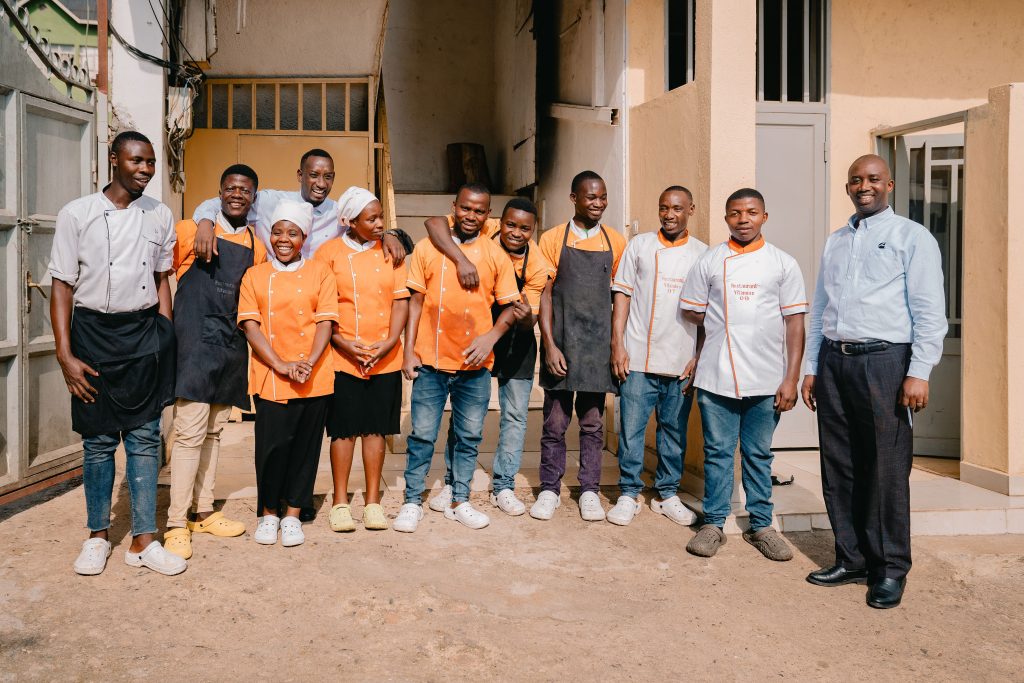
“It wasn’t always easy, but with patience and faith, I watched them transform. They learned skills, found confidence, and, most importantly, rediscovered their worth.”
-Bahati Jean Felix, business owner in Rwanda
Weaken generational poverty
The importance of savings varies widely across families and cultures. But in every context, parents can’t teach what they don’t know or value themselves. In a 2023 survey of savings group members in Zimbabwe, 64% of respondents said they didn’t save money before joining the group. But by learning to prioritize saving with others, these parents began saving for the future and modeling the same practice for their children. Praise God for the financial skills this new generation will have—and be able to pass down to their children after them.
“Before I started [the] Walusungu [(“mercy”) savings group], I was very poor. I used to do piece work for me to survive with my children. There were days that were so tough and literally we would feed on maize brans,” says Eveness, a savings group member in Malawi. “Honestly, my life is no longer the same now, from someone that was regarded as no one in the community to someone who now owns an iron sheet house and runs three businesses. … My household is now referred to as mwana alilenji, meaning a home that lacks nothing.”
Praise God for how the mothers and fathers we serve are using Christ-centered financial services to help their families grow closer to God, attend school, save, and more!
