Rebuilding after Tragedy
After losing her husband, Léonie grew her coffee business through Turame loans and created a brighter future for her family.

After losing her husband, Léonie grew her coffee business through Turame loans and created a brighter future for her family.
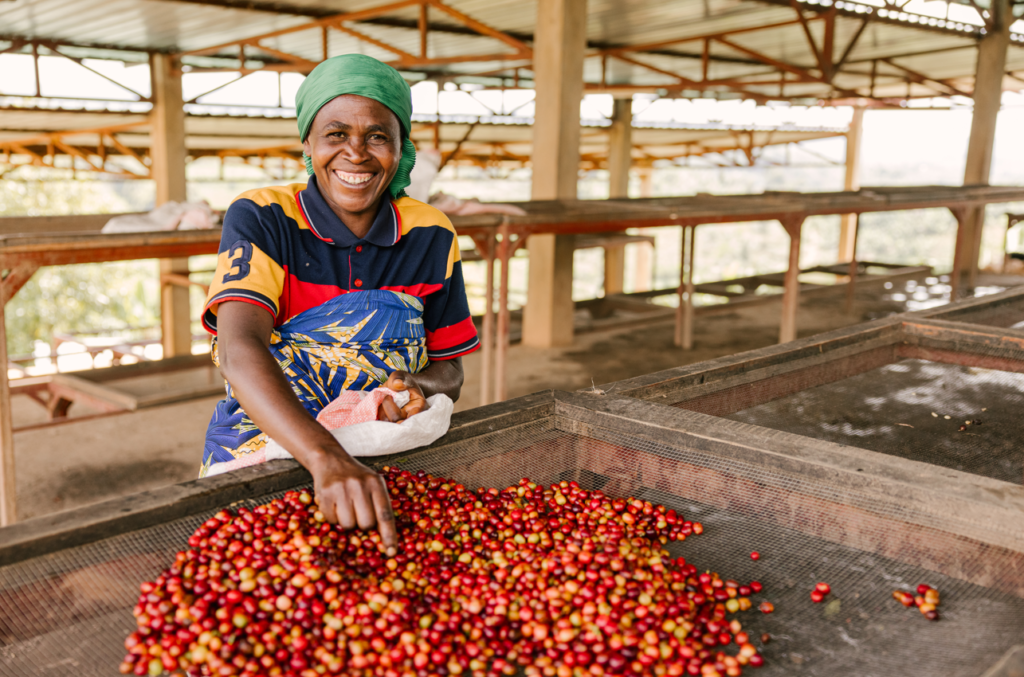

HOPE International & Homes for HOPE

In 2010, Patrick and Aisha joined a loan group and received $100 to invest in a small shop; this started their legacy of generosity.

Widows in many cultures across the world face particularly crippling circumstances, but for Navoku Memuruti there was still hope...
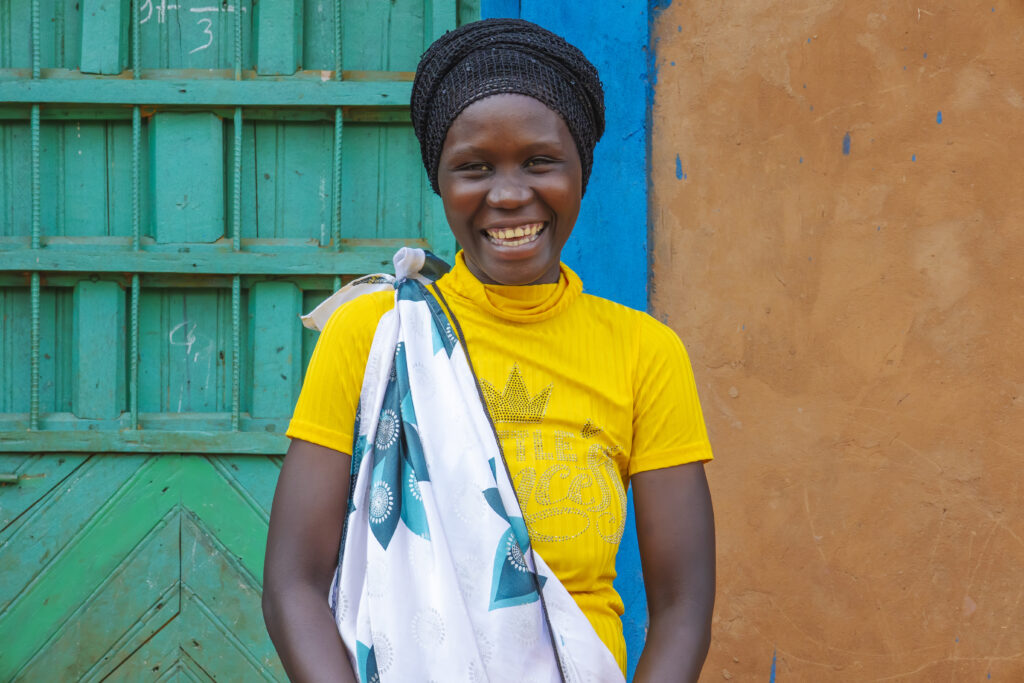
For Speciose Nshimirimana, growing up in extreme poverty in rural Burundi afforded little hope for the future. Life was hard and hope was elusive, but there were glimmers of light peeking through the dark, pointing to a better future.
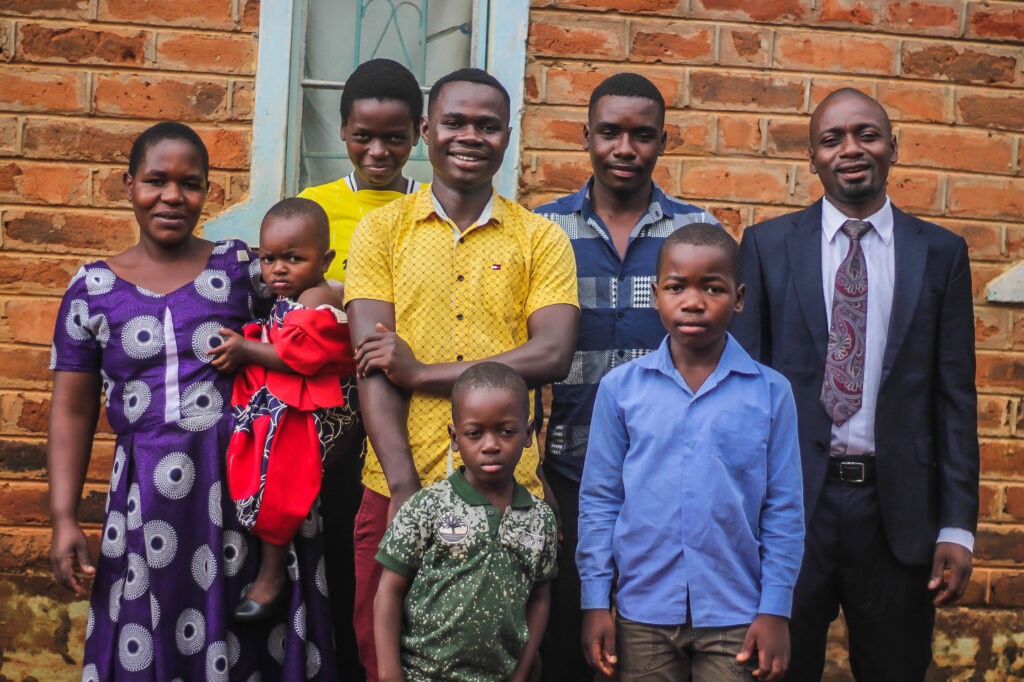
Before joining a HOPE Malawi savings group, Samson's job as a bricklayer didn't cover his family’s expenses. But now, he says, "I am no longer the same"...

PERU - In 2019, Mery realized the time had finally come: She and her son had to leave their home in Venezuela. The political and economic crisis in her country had become so severe that even finding food was difficult.
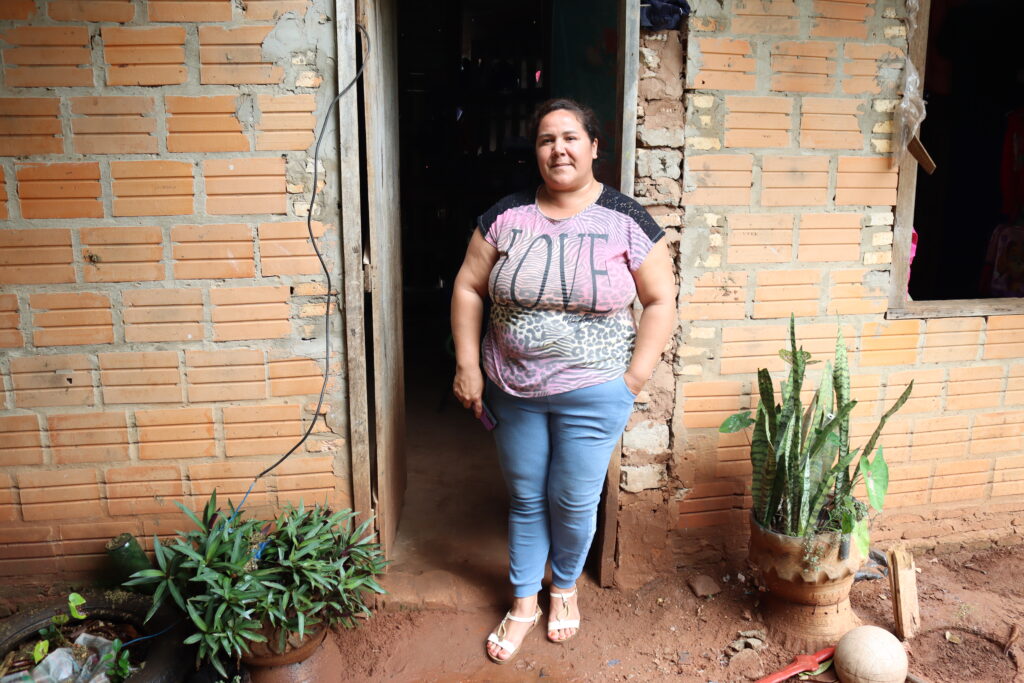
PARAGUAY - 2024 Homes for HOPE award honoree Sonia Solis. For mothers all around the world, providing for their children while being present and available is a consistent challenge.
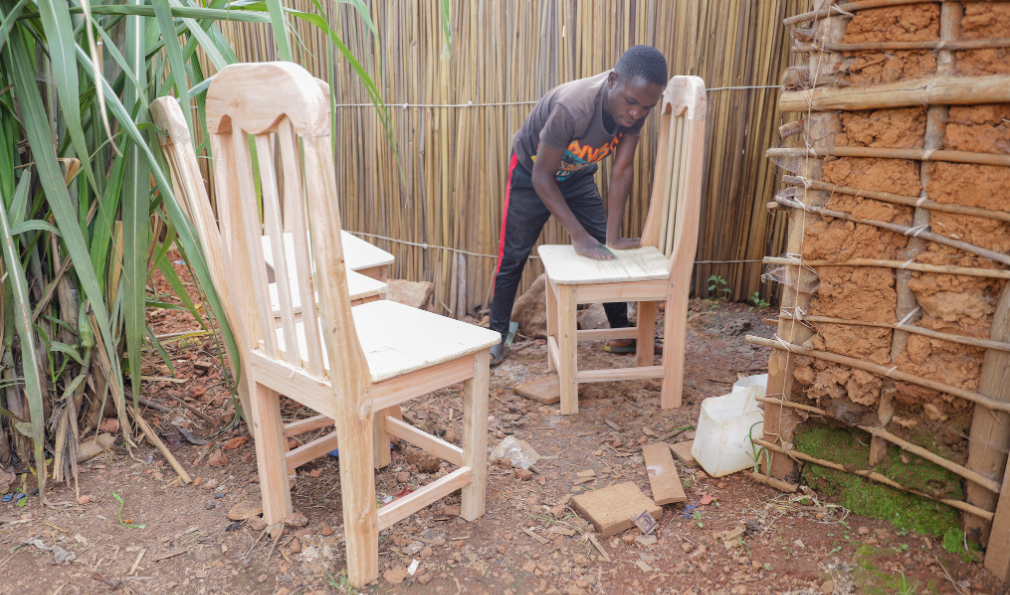
BURUNDI - According to the UNHCR (the United Nations High Commissioner for Refugees), 99% of the 85,200 refugees and asylum seekers living in Burundi come from the neighboring Democratic Republic of Congo (UNHCR, 2024). This was the story for Saidi Sango living in the Kavumu camp in Burundi. Life was difficult as a refugee, and resources were often scarce.

SOUTH ASIA - For Akash and Anika, the road to a safe home and healthy family has not been easy. They experienced shame and were mocked for their poor living conditions. Living in a small hut, all they had for a roof was a tarp that left them exposed to winds and heavy rains. They had to build fires to prepare meals for their family, and often could only find wet wood for cooking. “We used to live [in] a very filthy hut surrounded by rats and snakes for the past 12 years. We faced many struggles.” Grateful to find work laboring in a rock quarry in South Asia, this couple knows how hard life can be.
